

The best way to lose weight with PCOS is to address the underlying metabolic and hormonal drivers—specifically insulin resistance, chronic inflammation, and altered satiety signaling—rather than relying on severe caloric restriction. For individuals living with polycystic ovary syndrome (PCOS), conventional “eat less, move more” advice often fails because the condition directly alters how the body processes carbohydrates, stores fat, and regulates hunger.
A clinically sound approach combines a steady, low-glycemic nutritional foundation with strength training, restorative sleep, and targeted medical therapies when indicated. At LexMed Wellness in Lexington, Kentucky, our clinical experience shows that when you treat PCOS as an endocrine and metabolic condition rather than a simple willpower deficit, sustainable weight management becomes realistic and achievable.
What is the best way to lose weight with PCOS?
Managing weight with Polycystic Ovary Syndrome requires shifting focus from crash dieting to metabolic stabilization. Polycystic ovary syndrome affects an estimated 8% to 13% of reproductive-aged women, presenting with a spectrum of reproductive, dermatologic, and metabolic symptoms. Because no two presentations are identical, the most effective strategy is inherently personalized.
At the center of weight challenges in PCOS is insulin resistance. When cells in muscle, fat, and liver tissue resist insulin’s signal, the pancreas compensates by secreting higher amounts of the hormone, resulting in hyperinsulinemia. Elevated circulating insulin acts as a biochemical lock on adipose tissue, promoting lipogenesis (fat storage), particularly in the abdominal area, while blunting lipolysis (fat breakdown).
Beyond insulin resistance, several interrelated biological mechanisms complicate weight management:
- Hyperandrogenism: Excess production of androgens (such as testosterone and DHEA-S) by the ovaries and adrenal glands alters body fat distribution, encouraging visceral adiposity around the midsection rather than subcutaneous fat on the hips and thighs.
- Disrupted Satiety and Hunger Hormones: Clinical studies indicate that women with PCOS often experience blunted postprandial secretion of cholecystokinin (CCK) and peptide YY (PYY)—hormones that tell your brain you are full—alongside elevated baseline levels of ghrelin, the primary hunger hormone. This biochemical mismatch creates persistent, biologically driven cravings, especially for fast-digesting carbohydrates.
- Chronic Low-Grade Inflammation: Inflammatory markers such as C-reactive protein (CRP) and interleukin-6 (IL-6) are frequently elevated in PCOS. Chronic systemic inflammation exacerbates insulin resistance and impairs cellular energy production.
- Sleep Disturbances and HPA Axis Dysregulation: Women with PCOS face a significantly higher prevalence of obstructive sleep apnea (OSA) and insomnia. Poor sleep elevates evening cortisol, exacerbates daytime glucose fluctuations, and accelerates weight gain.
Does PCOS make weight loss impossible?
Having PCOS does not make weight loss impossible, but it does mean your body responds differently to standard caloric deficits. Because resting metabolic rate may be slightly lower in women with insulin-resistant PCOS, and because elevated insulin constantly promotes energy storage, standard diet calculators frequently overestimate how many calories a patient can consume while still losing weight.
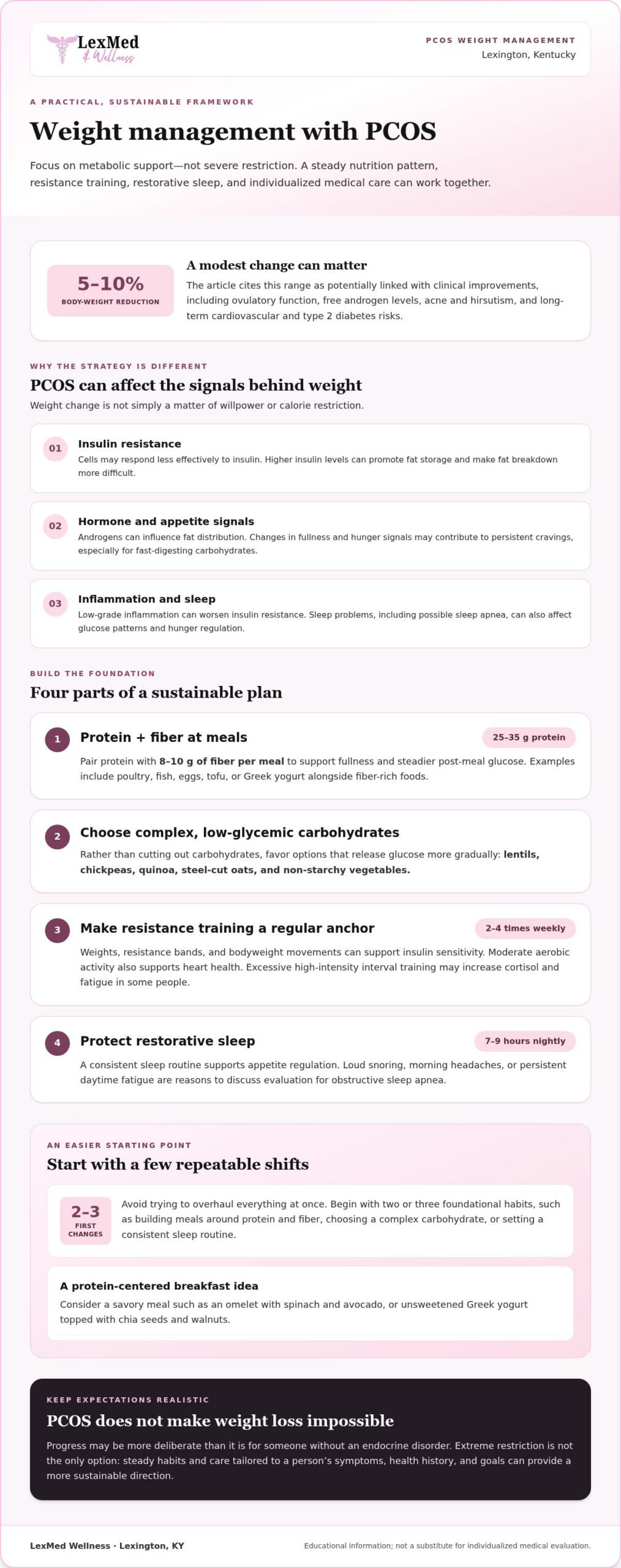
Research published in the 2023 International Evidence-based Guideline for the Assessment and Management of Polycystic Ovary Syndrome emphasizes that even modest reductions in body weight—between 5% and 10%—can yield profound clinical improvements. This degree of weight reduction often restores ovulatory function, reduces circulating free androgens, improves hirsutism and acne, and lowers long-term cardiovascular and type 2 diabetes risks. Progress may be more deliberate than what a peer without an endocrine disorder experiences, but with consistent metabolic support, lasting results are well within reach.
How to build a sustainable PCOS weight-management plan
A successful weight-management plan for PCOS avoids extreme deprivation, which frequently triggers rebound bingeing and spikes cortisol. Instead, it prioritizes consistent blood glucose management, preserving lean muscle mass, and nervous system regulation.
- Prioritize Protein and Dietary Fiber: Aim for 25 to 35 grams of high-quality protein per meal (such as poultry, fish, eggs, tofu, or Greek yogurt) paired with 8 to 10 grams of soluble and insoluble fiber. Protein stimulates satiety peptides and stabilizes postprandial glucose, while fiber slows gastric emptying and nourishes short-chain fatty acid-producing gut bacteria.
- Select Complex, Low-Glycemic Carbohydrates: Rather than eliminating carbohydrates entirely, focus on complex sources that cause a slow, steady release of glucose. Lentils, chickpeas, quinoa, steel-cut oats, and non-starchy vegetables prevent the sharp glucose spikes that trigger reactive hyperinsulinemia.
- Anchor Workouts in Progressive Resistance Training: Skeletal muscle is the primary site of glucose disposal in the body. Lifting weights, using resistance bands, or performing bodyweight movements two to four times weekly enhances insulin sensitivity independently of weight loss. While moderate aerobic conditioning supports heart health, excessive high-intensity interval training (HIIT) can sometimes elevate cortisol and drive fatigue in susceptible individuals.
- Optimize Sleep Hygiene and Circadian Rhythms: Target seven to nine hours of restorative sleep nightly. Inconsistent sleep patterns alter leptin and ghrelin balances, making dietary discipline significantly harder the following day. If loud snoring, morning headaches, or persistent daytime fatigue are present, an evaluation for obstructive sleep apnea is a crucial clinical step.
Which everyday habits are reasonable starting points?
When starting out, sweeping lifestyle overhauls often lead to burnout within a few weeks. In our clinical discussions with patients across Central Kentucky, we recommend focusing on two or three foundational shifts before introducing additional changes:
- The “Savory Breakfast” Shift: Replace carbohydrate-dense morning meals (like bagels, pastries, or sweetened cereals) with a savory plate centered on protein and healthy fats. An omelet with spinach and avocado, or unsweetened Greek yogurt topped with chia seeds and walnuts, establishes stable blood glucose that reduces mid-afternoon energy crashes and cravings.
- Post-Meal Movement: A 10- to 15-minute gentle walk after your largest meal helps skeletal muscles absorb glucose directly from the bloodstream, dampening the necessary insulin response.
- Consistent Meal Timing: Spacing meals four to five hours apart without continuous grazing allows baseline insulin levels to fall, giving the body an opportunity to tap into stored fat for fuel.
How should progress be assessed?
Relying solely on a traditional bathroom scale is often misleading when managing PCOS. Because fluid retention fluctuates with menstrual irregularities, inflammation, and hormone therapies, the scale can mask real physiological improvements. We advise patients to track a broader set of non-scale markers:
- Waist-to-Hip Ratio and Body Composition: A decrease in abdominal circumference reflects a reduction in visceral fat, which is the most metabolically hazardous fat depot.
- Menstrual Regularity: The return of predictable ovulatory cycles is one of the clearest clinical signs that metabolic stress and androgen excess are abating.
- Energy and Satiety Stability: Moving through the afternoon without intense brain fog, sugar cravings, or irritability indicates improved glycemic control.
- Objective Laboratory Values: Reductions in fasting insulin, hemoglobin A1c (HbA1c), high-sensitivity CRP (hs-CRP), triglycerides, and free testosterone demonstrate internal recovery long before dramatic changes appear on the scale.
PCOS and Midlife: Navigating the Perimenopause Transition
For women entering their late thirties and forties, PCOS symptoms often intersect with the hormonal fluctuations of perimenopause. As ovarian progesterone production declines and estrogen levels become erratic, insulin resistance can worsen, accelerating central weight gain. Many women in Lexington find that weight-loss strategies that worked in their twenties suddenly stall during this stage.
Understanding the interplay between reproductive aging and baseline endocrine dysfunction is vital. Exploring dedicated perimenopause treatment can help clarify whether shifting symptoms stem from ovarian aging, persistent androgen excess, or both. Addressing this overlap directly is often the key to resolving midlife metabolic resistance and managing stubborn menopause weight gain.
When lifestyle changes are not enough: medical options and clinical evaluation
While lifestyle habits are foundational, they are not always sufficient to overcome moderate-to-severe insulin resistance or neurochemical appetite dysregulation. PCOS is a medical condition, and utilizing medical therapies is a standard, evidence-supported practice. When diet and movement yield minimal progress, a structured medical evaluation helps identify which biological pathways need direct pharmacological support.
Medical weight management is not a substitute for healthy daily habits; rather, it creates a hospitable internal environment where those habits can finally produce tangible results.
What might a clinician evaluate before recommending treatment?
A comprehensive clinical evaluation should look at the entire metabolic landscape. Rather than ordering an arbitrary battery of identical tests for every individual, a healthcare provider tailors testing based on a patient’s health history, presenting symptoms, and family risk factors. Typical diagnostic considerations include:
- Comprehensive Metabolic & Glycemic Profile: Fasting blood glucose, HbA1c, and fasting insulin allow clinicians to assess both current glycemic status and the degree of underlying insulin hypersecretion (often evaluated via the HOMA-IR index).
- Cardiovascular and Lipid Biomarkers: A standard lipid panel assesses total cholesterol, LDL, HDL, and triglycerides. Triglyceride-to-HDL ratios provide additional clinical insight into vascular and metabolic health.
- Hormonal and Endocrine Panels: Measuring total and free testosterone, DHEA-S, sex hormone-binding globulin (SHBG), luteinizing hormone (LH), and follicle-stimulating hormone (FSH) helps differentiate PCOS from other conditions. Testing thyroid-stimulating hormone (TSH) and prolactin ensures that hypothyroidism or hyperprolactinemia are not driving weight retention and cycle irregularities.
- Vascular and Blood Pressure Screening: Routine monitoring for resting hypertension is essential, as cardiovascular risk is elevated in individuals with metabolic endocrine conditions.
Comparing Clinical Options for Weight Management
The following table outlines how standard lifestyle modifications compare with clinician-guided medical therapies across several common parameters:
| Approach | Primary Mechanism | Clinical Considerations | Monitoring Requirements |
|---|---|---|---|
| Lifestyle Modifications (Nutrition, Resistance Training, Sleep) |
Improves cellular insulin sensitivity, supports lean muscle mass, lowers baseline cortisol, and aids natural satiety signaling. | Foundational for all patients. Requires time, sustainable habits, and ongoing consistency. Slow onset of measurable change. | Self-monitoring of energy, cycle regularity, waist circumference, and annual metabolic blood panels. |
| Insulin-Sensitizing Medications (e.g., Metformin) |
Inhibits hepatic glucose production and enhances peripheral glucose uptake in skeletal muscle. | Frequently prescribed off-label for PCOS. Can cause mild-to-moderate gastrointestinal distress (nausea, loose stools). Often combined with lifestyle changes. | Periodic renal function tests (eGFR), fasting glucose/HbA1c checks, and monitoring of vitamin B12 levels during long-term therapy. |
| Incretin Mimetics / GLP-1 Receptor Agonists (e.g., Semaglutide, Tirzepatide) |
Slows gastric emptying, enhances glucose-dependent insulin secretion, and acts on central satiety centers in the brain to reduce cravings and appetite. | FDA-approved for chronic weight management in qualifying patients (BMI ≥30, or ≥27 with a weight-related comorbidity such as dyslipidemia or hypertension), or for type 2 diabetes. Used off-label when prescribed solely for PCOS without meeting standard BMI/glycemic criteria. | Regular provider check-ins, gradual dose titration, screening for personal/family history of medullary thyroid carcinoma or pancreatitis, and body composition tracking. |
What should patients ask about medication?
When considering medical weight management, initiating an informed conversation with your provider ensures realistic expectations and safe care. Helpful questions to bring to your appointment include:
- What specific metabolic target is this medication addressing in my body?
- Is this medication being prescribed under its FDA-approved indication for weight management, or is it an off-label use for my specific metabolic profile?
- What are the most common gastrointestinal or systemic side effects, and how can we mitigate them through dose titration or dietary adjustments?
- What is the long-term plan for this medication once I reach a stable, healthy weight?
- How will we monitor my lean muscle mass to ensure weight loss comes from fat tissue rather than muscle?
For patients who meet clinical eligibility criteria, participating in structured medical weight loss under continuous professional supervision provides the accountability, dose management, and clinical guidance necessary to achieve sustainable outcomes safely.
Taking the next step with PCOS weight management in Lexington, KY
Navigating weight loss with PCOS can feel isolating, particularly if you have been told that diet and exercise alone should solve the problem. Working with a provider who understands the nuanced interplay of insulin resistance, adrenal hormones, and metabolic adaptations shifts the experience from frustration to clarity.
At LexMed Wellness in Lexington, Kentucky, clinic owner Miranda Hagan, APRN, FNP-C, PMHNP-BC, provides comprehensive, provider-led care tailored to each patient’s physiological profile. Serving residents across Lexington, Georgetown, Nicholasville, Winchester, and surrounding Central Kentucky communities, our practice focuses on identifying the root drivers of metabolic resistance.
What should I bring to a weight-management consultation?
Arriving prepared for your initial clinical visit helps your provider build a comprehensive picture of your health. Consider gathering:
- A Chronological Health and Symptom History: Note when your menstrual cycles first became irregular, when weight changes accelerated, and whether you experience other signs like cystic acne, facial hair growth, or significant mid-afternoon fatigue.
- Recent Diagnostic Labs: Bring copies of any blood tests, pelvic ultrasounds, or metabolic panels performed within the past 12 months by other healthcare providers.
- Current Medications and Supplements: List everything you take regularly, including over-the-counter vitamins, inositol, birth control pills, and prescription drugs.
- Your Nutrition and Activity History: Be prepared to discuss what dietary patterns you have attempted previously, what felt sustainable, and what triggered physical or mental fatigue.
If you are ready to explore an evidence-informed approach to managing your weight and hormonal health, we invite you to connect with our clinical team. A thorough consultation can help clarify your options, establish realistic milestones, and put a supportive clinical plan in place.
Frequently Asked Questions
What is the best diet for losing weight with PCOS?
There is no universally superior diet for PCOS. Research consistently indicates that dietary patterns emphasizing low-glycemic carbohydrates, adequate protein (25–35 grams per meal), high dietary fiber, and anti-inflammatory healthy fats yield the best metabolic outcomes. The most effective plan is one that stabilizes blood sugar, prevents reactive insulin spikes, and remains sustainable for your lifestyle over the long term.
Can you lose weight with PCOS without medication?
Yes, many individuals lose weight through structured lifestyle adjustments alone, particularly when nutrition directly targets insulin resistance and is paired with progressive resistance training. However, the rate and ease of weight loss depend heavily on the severity of metabolic dysfunction. If severe hyperinsulinemia or significant neurochemical cravings are present, incorporating evidence-based medical therapies alongside lifestyle changes can provide necessary physiological support.
Does exercise help with PCOS weight management?
Exercise is highly beneficial for PCOS, primarily because skeletal muscle contractions pull glucose out of the bloodstream independently of insulin, immediately lowering circulating insulin levels. Resistance training and moderate-intensity cardiovascular exercise are especially valuable for improving insulin sensitivity and preserving metabolic rate. Exercise should be viewed as a tool for metabolic health and muscle preservation rather than simply a way to “burn off” calories.
When should someone with PCOS talk with a clinician about weight loss?
You should consider scheduling an evaluation if you experience persistent weight gain despite consistent, balanced lifestyle habits, or if you notice concurrent symptoms such as absent or irregular periods, progressive fatigue, central adiposity, or dark patches of skin (acanthosis nigricans). A clinician can evaluate you for underlying insulin resistance, thyroid disorders, and cardiometabolic markers to ensure your health plan addresses the correct biological targets.
Are weight-loss medications appropriate for everyone with PCOS?
No medication is suitable for every individual. Anti-obesity medications and insulin-sensitizing therapies carry specific clinical indications, potential side effects, and contraindications. Candidacy depends on your overall health profile, body mass index (BMI), presence of comorbidities such as prediabetes or dyslipidemia, and personal medical history. An experienced clinician must evaluate these factors before determining whether medication is a medically appropriate addition to your care.
How does insulin resistance specifically drive weight gain in PCOS?
When cells become resistant to insulin, the pancreas produces larger quantities to clear glucose from the bloodstream. High circulating insulin inhibits hormone-sensitive lipase—the enzyme responsible for breaking down stored body fat—while actively signaling fat cells to store extra energy, predominantly in the abdominal region. This hormonal environment keeps the body in a persistent fat-storage state, making fat loss difficult until insulin levels are brought under control.