
Hot flashes are one of the most common and disruptive symptoms of perimenopause and menopause. They can appear suddenly, interrupt sleep, affect confidence, and make work and daily routines harder to manage.
If you are dealing with frequent heat surges, night sweats, poor sleep, mood changes, or daytime fatigue, the issue may be part of a broader hormone-related pattern rather than an isolated symptom. LexMed & Wellness already highlights hot flashes as part of its existing menopause and perimenopause messaging.
Hot flashes can show up in different ways for different women. Recognizing the full range of symptoms helps you and your provider build a more targeted treatment plan.
Intense warmth that spreads quickly through your upper body, often starting in the chest, neck, or face without any warning — disrupting whatever you are doing in the moment.
Heavy perspiration that can soak through clothing or bedding, sometimes followed by chills as your body temperature shifts rapidly.
Visible redness in the face, neck, and chest accompanied by a prickly, uncomfortable sensation that can be distracting in social or professional settings.
Nighttime hot flashes repeatedly wake you up, fragmenting your sleep cycle and leaving you drained, unfocused, and struggling through the day.
The unpredictability and intensity of hot flashes can chip away at your confidence, make social situations stressful, and diminish your overall sense of well-being.
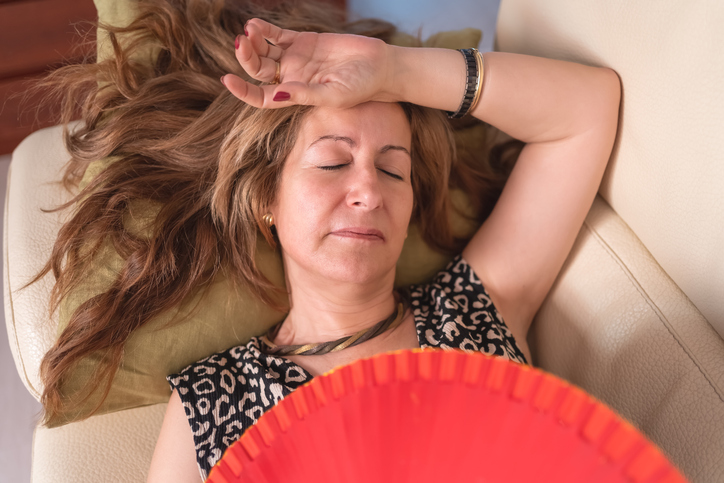
Treatment is worth considering when hot flashes are frequent, intense, disruptive to sleep, or accompanied by other menopause symptoms such as brain fog, mood changes, and weight concerns. Menopause guidance sources and LexMed & Wellness’s own copy both present hot flashes as a treatable symptom within a larger, personalized care plan.
Talk with our team about personalized treatment options for hot flashes and related menopause symptoms.
Yes. Hot flashes are commonly associated with both perimenopause and menopause. They are often one of the earliest and most recognizable signs that hormone levels are shifting. During perimenopause, hot flashes may come and go irregularly as estrogen fluctuates. In menopause, they can persist for several years, though their frequency and intensity vary widely from woman to woman. LexMed & Wellness evaluates your full symptom picture to determine where you are in the transition and what treatment approach makes the most sense for you.
Yes. Menopause education sources in the search results note that hormone therapy can reduce hot flashes for appropriate patients. Hormone replacement therapy works by replenishing declining estrogen levels, which directly addresses one of the root causes of vasomotor symptoms like hot flashes and night sweats. Many women experience significant improvement within weeks of starting treatment. However, because every woman’s health history and risk profile is different, a provider-guided evaluation is essential to determine whether hormone therapy is the right path for you.
No. They can occur during the day or night, and nighttime symptoms are often described as night sweats. Daytime hot flashes can strike at any moment — during a meeting, while running errands, or in the middle of a conversation — which is part of what makes them so disruptive to daily life. Night sweats, on the other hand, specifically interfere with sleep quality and can lead to chronic fatigue, irritability, and difficulty concentrating the following day.
Hot flashes can last anywhere from a few months to several years, and the timeline varies significantly between individuals. Research suggests the average duration is around seven years, though some women experience them for a decade or longer. Factors such as when symptoms started, overall health, lifestyle, and whether treatment is pursued all influence the duration. The key takeaway is that you do not need to simply wait them out — effective treatment options exist that can dramatically reduce both the intensity and frequency of hot flashes.
Beyond hormone therapy, several non-hormonal approaches may help reduce hot flash frequency and severity. These include certain prescription medications, lifestyle adjustments such as layered clothing and temperature-controlled environments, stress management techniques, dietary modifications, and regular physical activity. LexMed & Wellness takes a comprehensive approach, evaluating your full health picture to recommend the combination of strategies that works best for your individual needs and preferences.
Website Designed by IL Webdesign